The science of what
dogs actually need.
Most dog food is engineered to meet minimum standards. We built FetchBowl to the top end of the research — every nutrient, every life stage, every activity level, accounted for.

Meet the testers
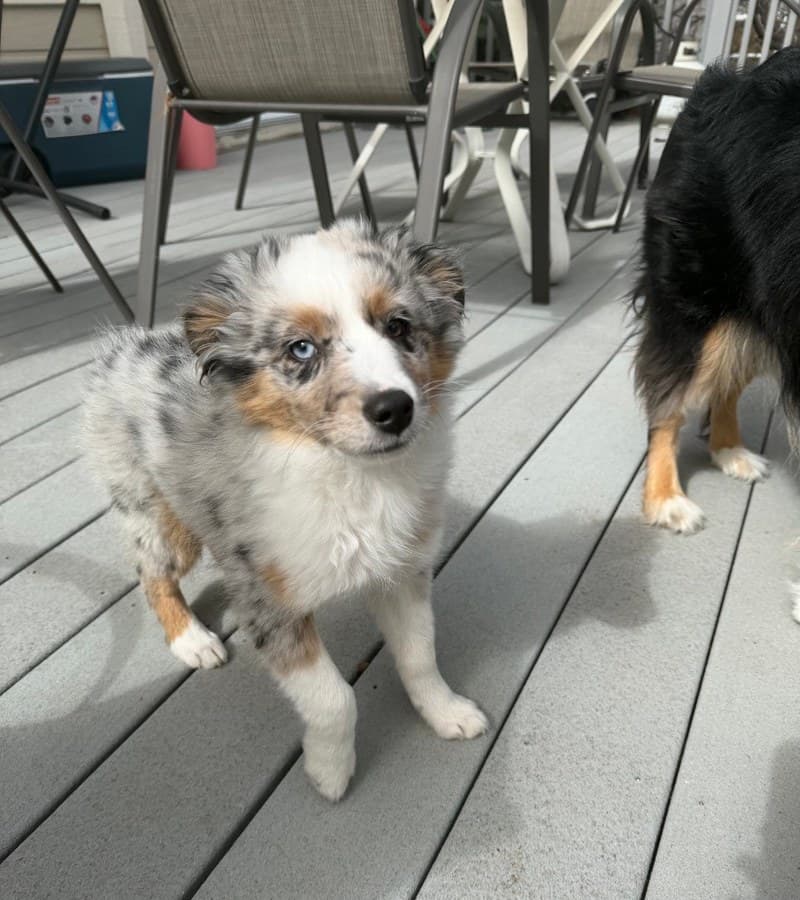
Sunny & Stormy 🐾
Chief Tasting Officers, FetchBowl
The problem
Most dog food is nutritionally incomplete.
Including most home-cooked food.
We know this because we obsessed over the research. The NRC and AAFCO data is unambiguous: there are five nutrients that are almost universally deficient in diets that don't specifically account for them.
Kibble
Meets AAFCO minimums — but minimums are designed to prevent deficiency, not optimize health. Heavily processed. Ingredients you can't pronounce.
Typical Home-Cooked
Real ingredients, but usually calcium-deficient, iodine-deficient, omega-3-deficient, and Vitamin D-deficient. Loving but incomplete.
FetchBowl
Real ingredients + complete nutrition. Every gap addressed. Every life stage calibrated. Every portion calculated for your specific dog.
Life stage nutrition
Different dogs have radically different needs.
A puppy needs 2.4× more calcium than an adult. A senior needs more protein, not less. One-size nutrition is one-size-wrong.
Puppy
Under 12 months- 🦴3× more calcium than adults — bone is forming fast
- 🧠High DHA omega-3 — critical for brain & retinal development
- 💪25% more protein than an adult dog of the same size
- 🔥Up to 3× the calories (per kg body weight) of an adult
⚠️ Large breed puppies (expected adult weight 50+ lbs) must NOT get excess calcium — it causes irreversible skeletal developmental disease.
Adult
1–7 years- 🥩Complete amino acid profile from high-quality protein
- 🐟Omega-3 (EPA+DHA) for coat, skin, and inflammation control
- ⚖️Precise calcium:phosphorus ratio of 1.2:1 to 1.8:1
- 🔋Calories calibrated to activity level and reproductive status
Senior
7+ years- 💪MORE protein — not less. Seniors lose muscle fast without it
- 🐟High EPA+DHA — joint health and cognitive function
- 🛡️4× more Vitamin E — aging increases oxidative stress
- 🫘More soluble fiber — GI motility slows with age
Activity also changes everything.
The calorie multiplier affects total intake — but active dogs also need higher protein concentration and more antioxidants for recovery.
Couch Potato
1.0–1.2× RER
Minimum calorie needs. Watch weight carefully. Fiber helps with satiety.
Moderately Active
1.4–1.6× RER
Most family dogs. Balanced nutrition hits all bases. Daily walks + play.
Very Active
1.8–2.0× RER
Higher protein for muscle repair. More omega-3 for inflammation. Extra Vitamin E.
Working Dog
2.0–2.5× RER
High fat for sustained energy. 30%+ of calories from protein. Antioxidant support essential.
RER = Resting Energy Requirement. Calculated using the WSAVA formula: 70 × (body weight in kg)^0.75. Neutered/spayed dogs use the lower multiplier.
The hard part
Five nutrients that are almost always missing.
These show up in the research, in vet consultations, and in the dogs we talk to customers about. We address every single one, by design.
Calcium
⚠️ Critical gapMuscle meat has essentially zero calcium. A 35 lb dog eating meat-only would get less than 10% of what they need. Calcium deficiency causes rickets, fractures, and metabolic bone disease.
How FetchBowl addresses it
Every FetchBowl includes eggshell powder or calcium carbonate, precisely dosed to your dog's size. We've done the math so you don't have to.
Omega-3 (EPA+DHA)
⚠️ Critical gapChicken, beef, and pork are heavily omega-6 dominant — ratios of 15:1 to 30:1 when the ideal is 5:1 to 10:1. Chronic omega-6 excess drives systemic inflammation, poor coat, and joint problems.
How FetchBowl addresses it
We use wild-caught salmon in multiple recipes and include fish oil as a standard add-on. Our omega ratios are measured, not guessed.
Iodine
⚠️ Critical gapThere is essentially zero iodine in any common meat or vegetable. Without it, the thyroid can't produce hormones. Hypothyroidism in dogs is more common than most owners realize, and diet is a factor.
How FetchBowl addresses it
FetchBowl includes kelp powder in every recipe — a natural, bioavailable iodine source used at precise levels.
Vitamin D
⚡ Common gapUnlike humans, dogs can't synthesize Vitamin D from sun exposure. Without dietary Vitamin D, calcium absorption is impaired even when calcium is present. Deficiency causes soft bones and immune dysfunction.
How FetchBowl addresses it
Our salmon recipes provide meaningful Vitamin D. For non-salmon bowls, we supplement with Vitamin D3 to ensure adequate absorption of all that calcium we're providing.
Zinc
⚡ Common gapPhytic acid in grains binds dietary zinc and prevents absorption. Zinc deficiency causes poor immune function, skin problems, slow wound healing, and dull coat. It's one of the most underappreciated deficiencies in home-cooked diets.
How FetchBowl addresses it
We use lean red meats and organ meats which are naturally zinc-rich, and we limit grain ratios to keep phytate binding in check.
By the numbers
What your dog needs, per 1,000 kcal.
Expressing requirements per 1,000 kcal is how AAFCO and NRC do it — and how we design every FetchBowl recipe. It automatically scales with your dog's size.
Protein & Amino Acids
Adult
45–50g / 1,000 kcal
Puppy
56g / 1,000 kcal
Active+
65–90g / 1,000 kcal
Dogs require 10 essential amino acids they can't synthesize — including lysine, tryptophan, and leucine (the master switch for muscle protein synthesis). Complete protein sources like chicken, beef, pork, and salmon cover all 10. Liver adds tryptophan and lysine that muscle meat can't provide alone.
Essential Fatty Acids
Adult
0.11–0.2g EPA+DHA / 1,000 kcal
Puppy
0.2–0.5g EPA+DHA / 1,000 kcal
Active+
0.3–0.5g EPA+DHA / 1,000 kcal
Omega-3 fatty acids (EPA and DHA) are anti-inflammatory, protect joints, support cognitive function, and are essential for puppy brain development. Omega-6 fatty acids are pro-inflammatory when in excess. The ratio matters — and most commercial and home-cooked diets get it badly wrong.
Calcium & Phosphorus
Adult
1.25g Ca / 1.0g P per 1,000 kcal
Puppy
3.0g Ca / 2.5g P per 1,000 kcal
Active+
1.5g Ca / 1.2g P per 1,000 kcal
Calcium and phosphorus work together — always. The ratio must stay between 1.1:1 and 2:1 (Ca:P). Too much phosphorus with inadequate calcium causes nutritional hyperparathyroidism. Too much calcium in large breed puppies causes skeletal developmental disease. Precision here isn't optional.
Vitamins A, D & E
Adult
Vit D: 125–750 IU / Vit E: 12.5–100 IU
Puppy
Vit D: 125–750 IU / higher Vit A
Active+
Vit E: 50–200 IU (oxidative stress)
Vitamin D is essential for calcium absorption — without it, all that carefully measured calcium goes to waste. Vitamin E is a critical antioxidant that active and senior dogs need in much higher amounts. Vitamin A is abundant in liver — which is why we include it in controlled amounts (too much accumulates and becomes toxic).
Trace Minerals
Adult
Zinc 20mg, Iron 10mg, Copper 1.8mg / 1,000 kcal
Puppy
Zinc 25mg, Iron 22mg, Copper 3.1mg / 1,000 kcal
Active+
Iron elevated for O2 transport
Zinc supports immune function, skin integrity, and coat quality. Iron carries oxygen to working muscles. Copper activates enzymes critical to iron metabolism — and liver is the best dietary source of both copper and iron. Iodine drives thyroid hormones. Selenium works with Vitamin E as a paired antioxidant system.
Real food, real coverage
Every ingredient earns its spot.
We didn't pick our ingredients because they're trendy. We picked them because they cover the nutritional gaps that matter most — and they happen to taste incredible. Ask Sunny and Stormy.

Sunny
3-year-old Australian Shepherd · Approved every bowl
Beef
Liver
Chicken
Salmon
Turkey
Pork
Eggs
Brown Rice
Sweet Potato
Broccoli
Pumpkin
Fish Oil
The research
We didn't make this up.
Our nutritional framework is built on the same references used by veterinary nutritionists and pet food scientists worldwide. Here's where the numbers come from.
National Research Council — Nutrient Requirements of Dogs and Cats (2006)
The gold standard scientific reference for companion animal nutrition. Sets evidence-based recommended allowances from controlled feeding studies.
Association of American Feed Control Officials — Dog Food Nutrient Profiles (2016)
The regulatory standard for commercial dog food in the United States. Establishes minimum and maximum nutrient levels for adult maintenance and growth/reproduction.
A note on veterinary review: Our nutritional approach is designed for review by board-certified veterinary nutritionists (DACVN). We recommend all dog owners share their pet's diet with their vet — and we're happy to provide the full nutritional breakdown for any FetchBowl recipe on request.
Ready to feed your dog like a scientist
and a chef?
Tell us about your dog and we'll build a nutritionally complete, personalized meal plan — adjusted for their size, age, activity level, and reproductive status. It takes 60 seconds.
50% off first order · 30-day money-back guarantee · No commitments